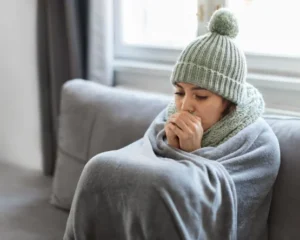
Louisville’s typical first freeze is in early November, and that’s only a few weeks away. Autumn is the best time to catch furnace warning signs before winter, because you can still schedule a visit without waiting behind everyone else once temperatures drop.
Chapman Heating and Cooling shares the signs East End homeowners can see, hear, and smell, plus which checks are safe to do yourself and which ones need a pro.
The First Cold Night Shouldn’t Be Your Furnace’s Test Run
Most furnaces sit idle all summer. The first cold night is when a worn part finally gets asked to do real work. Dust has settled on dirty burners, filters have clogged, and an aging furnace has had months to develop problems nobody noticed.
Running the system now, on a mild day, lets you find problems while repair is still easy to schedule. Waiting until winter temperatures arrive means a no-heat call on the coldest night of the week.
Address These 7 Furnace Problems Before Winter
Your furnace usually tells you something is wrong before it quits. You just have to know what to look for. Investigate these issues and their furnace warning signs before winter, so any needed repairs can be made before you need heat.
1. Short Cycling
Short cycling is when your furnace turns on, runs for a couple of minutes, and shuts off. A normal heating cycle runs roughly 10 to 20 minutes. If yours keeps shutting off after two to four, something is wrong.
Furnace short cycling often comes down to airflow restrictions, like a clogged filter, or a system that is overheating and tripping a safety switch. It wastes fuel and puts stress on internal components every time it restarts, which can lead to bigger breakdowns over time.
2. Delayed Ignition
You turn up the thermostat and wait. The burners take longer than usual to light, or you hear a thump or whoosh when they finally do. Delayed furnace ignition can point to dirty burners, a failing igniter, or gas flow problems. This one needs a professional, since gas is involved.
3. Weak Airflow and Lukewarm or Cold Air
Hold your hand up to a supply register while the furnace is running. You should feel steady warm air. If the airflow is weak, or you get lukewarm or cold air, the cause could be a dirty filter, a failing blower motor, blocked registers, or duct leaks letting conditioned air escape before it reaches the room.
Weak furnace airflow also makes the system work harder, which shows up in your energy costs.
4. Unusual Noises
A brief dusty smell and a little noise on the first startup of the season is normal. Persistent unusual noises are not.
- Screeching often means a worn blower motor bearing.
- Banging or rattling can mean loose metal components or something failing inside the unit.
- Constant humming or buzzing can point to electrical controls or a motor under strain.
Noise rarely fixes itself. Left alone, it tends to turn into costly repairs.
5. Recurring Shutdowns
If the furnace shuts down, restarts, and shuts down again, don’t just keep resetting it. Repeated shutdowns usually mean a safety control is doing its job. An overheating unit, a limit switch, or a flame sensor problem could be behind it. The safety switch is trying to protect your home, so the fix is finding the cause, not bypassing it.
6. Uneven Temperatures
Some rooms are comfortable, others stay cold. Uneven heating can come from several places:
- Airflow restrictions or closed supply registers
- Duct leaks or poorly balanced ductwork
- Thermostat or electrical controls that aren’t reading correctly
- Equipment that has lost capacity as it ages
Older homes in the East End often have duct systems designed around smaller, older equipment, which can make cold rooms worse. A pattern of uneven temperatures plus higher bills usually means the system is working harder than it should to keep your home warm.
7. A Yellow or Flickering Flame, Soot, or Rust
Burner flames should be steady and blue. A yellow burner flame or flickering flame can signal incomplete combustion, which can produce carbon monoxide. Soot accumulation around the burners, or rust on the furnace cabinet or flue pipe, tells the same story.
Corrosion on metal components is also a safety concern. A sound heat exchanger keeps combustion gases separate from your home’s air. A cracked heat exchanger can let those gases leak. You can’t inspect it yourself, which is one of the main reasons a professional inspection matters.
If you see a yellow flame, smell something unusual, or your carbon monoxide detector sounds, turn the furnace off, get everyone outside, and call for help.
Checks You Can Safely Make First
Suspect a furnace issue? Before you give us a call for furnace repair, there are a few things you can try first.:
- Replace or check the air filter. A dirty one is behind many airflow problems.
- Open all supply registers and make sure furniture or rugs aren’t blocking them.
- Set the thermostat to heat and confirm the furnace responds. Replace the batteries if it has them.
- Check the breaker and the furnace’s power switch.
- Test your carbon monoxide detectors, and replace the batteries.
- Look at the furnace cabinet for rust, water, or soot, but don’t open panels or touch burners.
If those don’t fix the problem, stop there. Anything involving gas, burners, or electrical controls belongs to licensed professionals.
When to Call for Professional Furnace Repair
Some signs justify prompt service rather than waiting:
- Short cycling that continues after a new filter
- Delayed ignition or a yellow flame
- Rust, soot, or any possible sign of a cracked heat exchanger
- Persistent unusual noises
- Repeated shutdowns
- Heating bills climbing without a clear reason
If you’re in the East End and want a technician to take a look, we handle furnace repair in Louisville’s East End for neighborhoods like Eastwood, Anchorage, Lake Forest, and Pewee Valley.
Keep Your Furnace Running All Winter
Dry air, high bills, and cold rooms are easy to blame on the weather. They’re often warning signs that something in the heating system needs attention. Catch furnace warning signs before winter, while it’s still early autumn, and your home stays warm all season long.
Chapman Heating and Cooling serves homeowners across Louisville’s East End. Schedule a furnace inspection today to get on the calendar before the cold sets in.